
Ever wonder why you suddenly crave Coca-Cola after seeing their ad?
Or why do you feel so drawn to that Apple store even when you don’t need anything?
Welcome to neuromarketing. It is the marketing game where brands study your brain to win your wallet.
As a marketer, I’ve seen how smart brands are getting.
They’re not just guessing what you want anymore. They’re literally studying how your brain reacts to figure out what makes you buy.
What is neuromarketing?
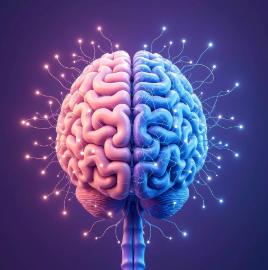
Neuromarketing combines neuroscience with marketing. It tracks eye movements, brain activity, heart rate, facial expressions, and additional factors.
Brands utilise these insights to create messages that genuinely connect.
Rather than inquiring about people’s preferences (and relying on their honesty), brands now monitor brain activity, eye movements, and heart rates to determine what genuinely thrills them
How are brands using Neuromarketing?
- Coca-Cola’s colour influence: Coca-Cola leverages colour psychology, sensory signals, and emotional narratives to enhance brand loyalty. That shade of red is not coincidental. Research indicates that red evokes feelings of energy and excitement, ideal for a beverage intended to promote happiness.

- Apple’s intelligent store layout: Have you ever observed the serene and orderly atmosphere in Apple stores? Apple creates excitement and emotional ties via simple design, shopping experiences, and narratives about its products. The expansive areas and tidy presentations help soothe your mind, encouraging you to linger and purchase more.
- McDonald’s sensory tricks: McDonald’s applies sensory techniques you probably never noticed. The red and yellow colors make you feel hungry and happy. Even the sound of their jingle triggers good memories from childhood.
3 real neuromarketing examples
- Netflix’s thumb wars: Netflix found that people judge shows in just 1.8 seconds. So they test thousands of thumbnail images to see which ones make your brain go “yes, I want to watch this.” That’s why you see faces making dramatic expressions – they grab attention fast.
- Amazon’s one-click trap: Amazon’s one-click buying isn’t just convenient – it’s brain science marketing. The less time your logical brain has to think “do I really need this?”, the more likely you are to buy. Genius, honestly.
- TikTok’s brain scans: TikTok studies attention using EEG and eye-tracking. They learned that ads matching native content and engaging from the first 2 seconds boost retention and brand recall. Sales went up immediately.
Why does neuromarketing work so well?
We’re not as logical as we think: About 95% of our buying decisions happen in the part of our brain we can’t control. Consumer psychology shows that we decide with emotions first, then make up logical reasons later.
The brain loves patterns: Our brains are always looking for shortcuts. Brands that understand these shortcuts can guide our decisions without us even knowing.
Memory tricks: The best neuromarketing strategies create strong memories. Think about how Netflix’s “tudum” sound instantly makes you think of a series.
Is Neuromarketing the future of marketing?
Absolutely. With brands like Meta, Coca-Cola, and Google applying neuroscience to improve advertising, branding, and customer experience, this isn’t just a trend – it’s becoming standard practice.
Consumer behaviour science is showing us that understanding the brain is the key to understanding customers. Brands that ignore this are basically fighting with one hand behind their back.
By Sakshi Luhariwala


Youur stygle is reallpy unique in comparisoln tto oher peole I ave rezd sstuff from.
I appreciate yyou ffor posting when you hqve the opportunity, Guess I’ll just bookmak
this blog. xnxx