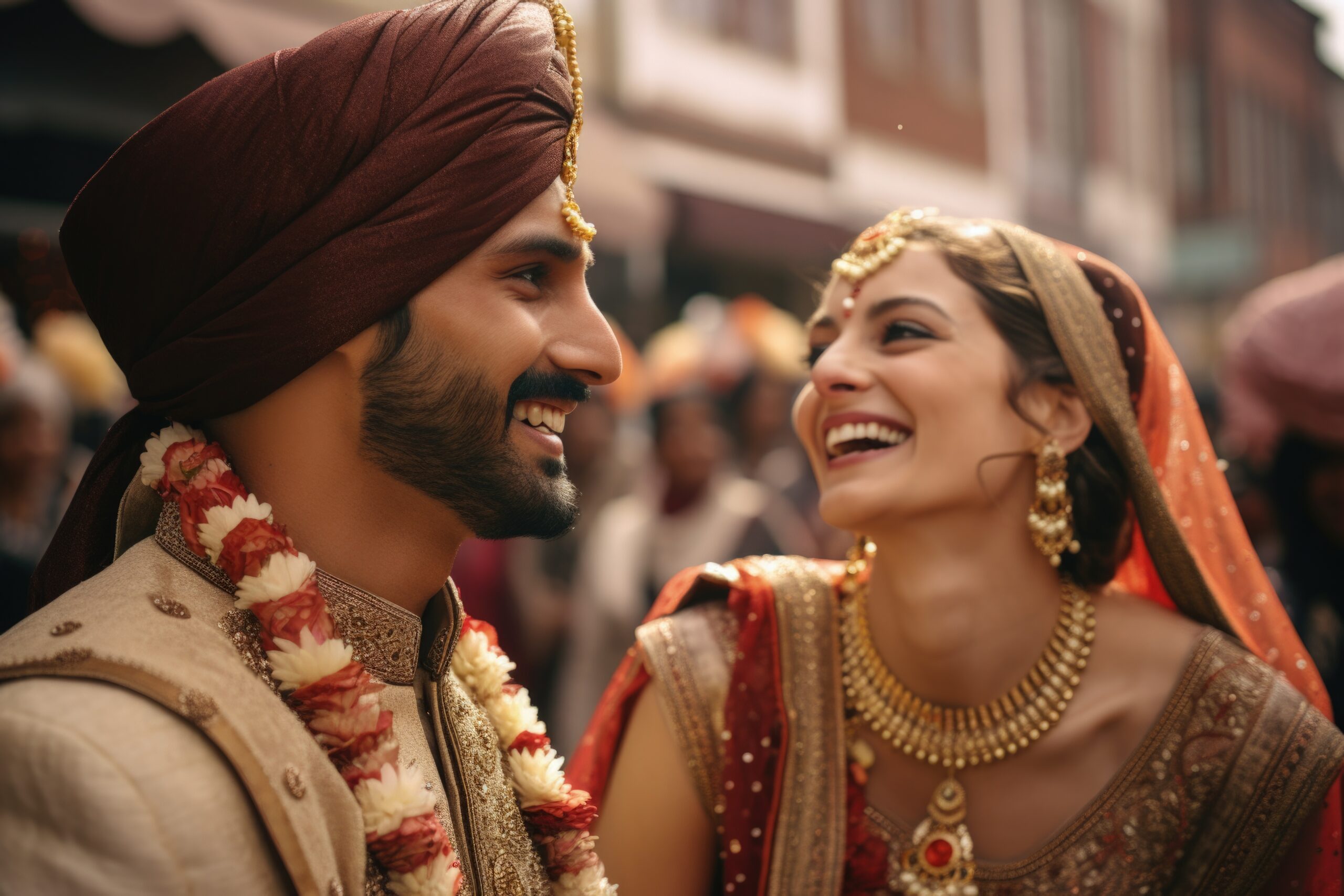
In India, weddings are not just a sign of partnership or union, but also a demonstration of a family’s prosperity, wealth, social stability, and resources. Weddings seek not just attention, but also good wishes and appreciation, creating an atmosphere of happiness, joy, and belongingness.
As humans, our brains are wired to belong somewhere, to be part of a community or group, and to be an active part of society at large. A lavish wedding ceremony not just announces the bond shared between a couple, but also the social standing of the families involved.
Collectivist vs Individualist Cultures
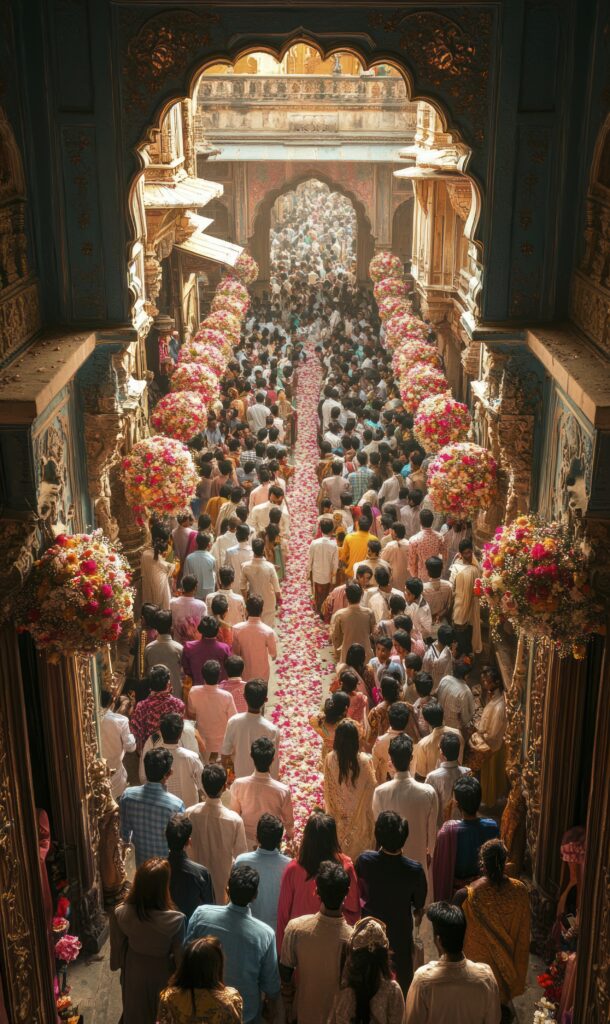
The cultural psychology behind weddings can be looked at from the point of view of Collectivist vs Individual cultures. In collectivist societies such as India, weddings surround the family rather than the couple. Families get a chance to exhibit their wealth, grandeur, do a get-together sort of thing, and revel in their family’s legacy, rejoicing the auspicious occasion, further blessing the couple. It engages the entire family in ceremonies, rituals, and social connections that feel effortless and life-changing.
Rituals such as gifts, attire, and ceremonies reinforce cultural values in a psychological sense. The bigger the wedding, the stronger the alignment with cultural values, and the higher the image perceived.
A wedding is seen as a milestone in one’s life, and people want to spend it in as grand way as possible, giving rise to the popularity of destination weddings.
In the earlier days, weddings symbolised the bond between families, kingdoms, clans, and not just between two individuals.
In the social media-driven world, weddings are the perfect occasion to create Instagram-worthy moments that imbue joy in one’s life.
Thus, weddings are less about solely rejoicing the companionship between a couple and more about reveling in the joy of togetherness, good times, good food, luxury, fashionable clothes, memorable pictures, and more.
Check this video out: